
6 Reasons Your Boiler Needs Frequent Heating Repairs
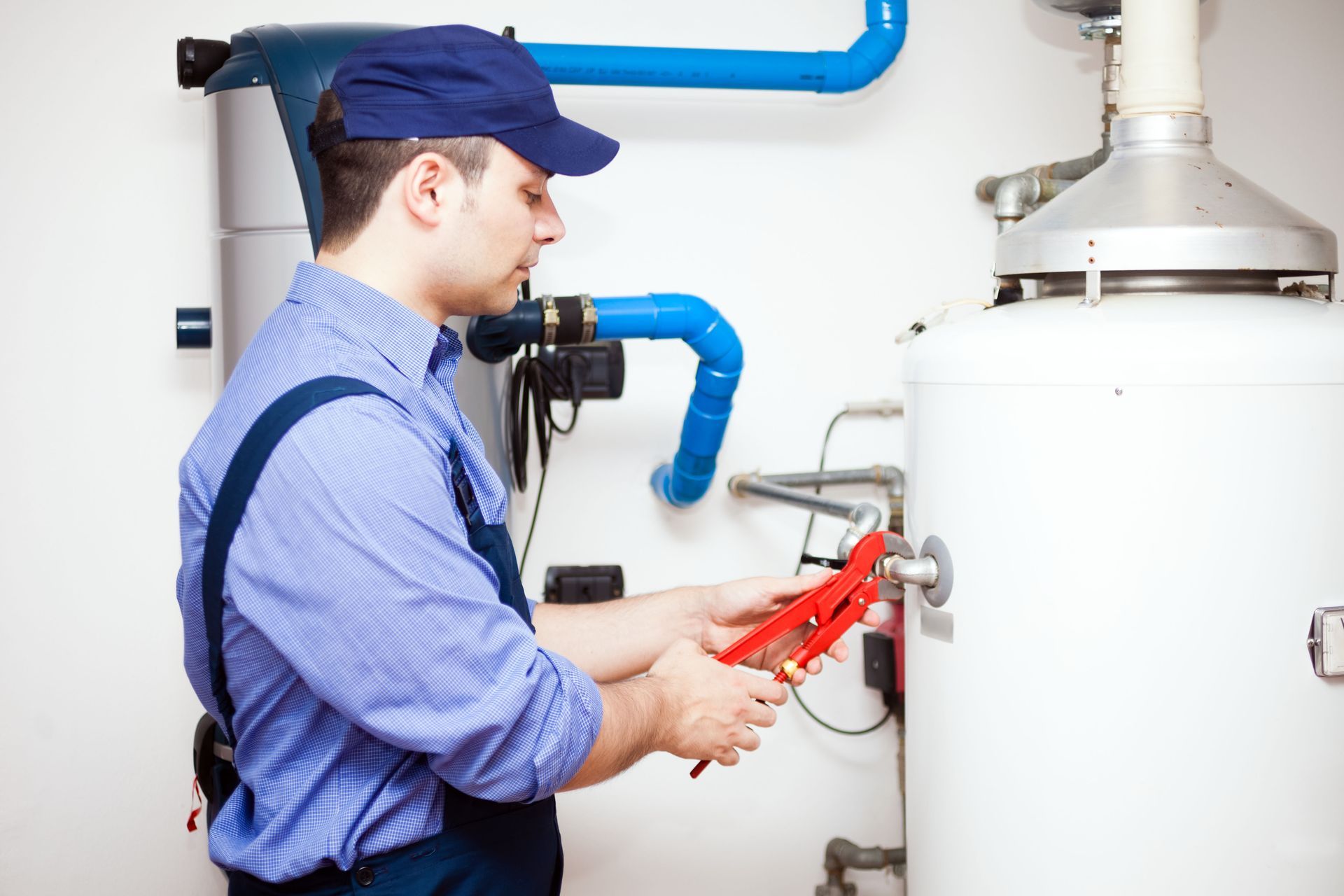
As a homeowner, dealing with a cold house in the middle of winter is a frustrating scenario. Your boiler is supposed to be a reliable source of warmth, quietly working in the background. However, when the system breaks down repeatedly, it can drain your wallet and disrupt your daily routine. Frequent breakdowns are usually a sign of underlying problems that need to be addressed immediately. Understanding the root causes of these ongoing problems can save you money and keep your home cozy. Many common issues stem from a lack of regular maintenance or simply the age of the equipment. We will explore the primary culprits behind persistent malfunctions and why professional intervention is essential. Whether you need comprehensive heating, efficient air conditioning, fresh ventilation, or safe gas lines, knowing what to look out for is the first step toward a comfortable home environment. Here are six main reasons you might be scheduling constant heating repairs for your property.
1. Limescale and Mineral Buildup
Over time, water inside your boiler leaves behind mineral deposits, especially in areas with hard water. These deposits accumulate on internal components, creating a thick layer of limescale on the heat exchanger. This buildup acts as an insulator, preventing the system from transferring heat effectively. Consequently, the equipment works harder and runs longer to reach the desired temperature setting. This extra strain causes utility bills to skyrocket and leads to dangerous overheating. When internal mechanisms overheat, they can crack and cause complete system failure. If you hear a low rumbling sound, it is a clear indicator that limescale has taken over. Addressing this early requires professionally flushing the system to remove stubborn deposits. Neglecting this maintenance task guarantees that you will need frequent heating repairs to replace damaged parts and restore functionality.
2. Igniter or Pilot Light Malfunctions
For your boiler to produce warmth, the burners must ignite properly every time the system turns on. Older models rely on a continuous pilot light, while modern versions use electronic igniters. Regardless of the technology, ignition failures are a frequent source of frustration for homeowners. A pilot light can blow out due to a strong draft, a clogged gas nozzle, or a malfunctioning thermocouple. Electronic igniters can fail due to electrical issues, dirt buildup, or burning out after years of use. When the ignition sequence fails, the system locks out, leaving your home completely devoid of warmth. Trying to relight a pilot light manually without understanding the cause can be very dangerous. You should always have a qualified technician inspect the ignition system to ensure it operates safely. Consistently ignoring ignition glitches is a guaranteed way to increase your need for costly heating repairs over the winter.
3. Incorrect Thermostat Calibrations
Sometimes, the problem with your boiler is not located inside the unit itself. The thermostat is the brain of your climate control system, communicating exactly when to turn on and shut off. If the thermostat loses calibration, it might misread the room temperature, causing the system to cycle on and off too frequently. This rapid cycling, known as short cycling, places immense stress on the internal mechanical parts and wears them down prematurely. Additionally, loose wiring or outdated technology can lead to a complete loss of communication between the controller and the main unit. Upgrading your thermostat or having it recalibrated can often solve what appears to be a major mechanical failure. It is important to ensure the thermostat is positioned away from direct sunlight or drafty windows. When homeowners assume the boiler is broken without checking controls, they end up paying for unnecessary heating repairs that could have been avoided.
4. Deteriorating Seals and Water Leaks
A boiler relies on a closed loop of water to distribute warmth throughout your living space via radiators or baseboards. Over the years, the constant expansion and contraction caused by heating and cooling the water take a toll on rubber seals and metal valves. Eventually, these components become brittle, crack, and allow water to leak out. Even a tiny leak can cause internal water pressure to drop significantly. When the pressure falls below a certain threshold, safety mechanisms will automatically shut the system down to prevent a dry fire. Water leaks also cause secondary damage, including corrosion on the exterior of the unit and water damage to surrounding floors. If you spot a puddle of water pooling around the equipment, call for professional help immediately. Fixing leaks promptly protects your home and reduces the likelihood of needing expensive heating repairs in the future.
5. Circulation Pump Failures
Once water inside your boiler is heated, it must be pushed through the pipe network to radiators in each room. This vital task is handled by the circulation pump. Because the pump is constantly moving water, it is subject to a significant amount of wear and tear. The bearings inside the pump can dry out, or the pump can become jammed by debris floating within the lines. When the circulation pump fails, hot water remains trapped inside the main unit, causing it to overheat and shut down. Meanwhile, your home remains cold because the radiators never receive warmth. You might hear a loud grinding noise coming from the pump right before it completely gives out. Having a technician inspect and lubricate the pump during routine maintenance extends its life tremendously. Otherwise, a failed pump will certainly lead to immediate heating repairs to keep your family comfortable.
6. General Aging and Normal Wear
No matter how perfectly you maintain your mechanical systems, they cannot last forever. Every appliance has a finite lifespan, and as your boiler gets older, its components naturally degrade. The constant cycle of heating and cooling water creates structural fatigue, and internal parts eventually reach the end of their operational viability. When one part is replaced, another is usually not far behind, leading to a frustrating cycle of part replacements. According to Fixr, the majority of residential boilers typically function for about 15 years, although certain models may operate for two decades or more. Once you cross that fifteen-year threshold, the frequency of breakdowns accelerates rapidly. Older systems are also significantly less energy-efficient, meaning you pay more in utility bills. At a certain point, continuously fixing a deteriorating unit is no longer a wise financial investment. If you are scheduling constant heating repairs for an outdated model, replacing it entirely might be the most cost-effective decision.
Keeping your home consistently warm and comfortable throughout the harsh winter months should always be a top priority. When your equipment breaks down repeatedly, it causes unnecessary stress and significant financial strain. By understanding the common reasons behind these failures, from limescale buildup to failing circulation pumps, you can take proactive steps to maintain your system. Regular maintenance is the absolute best way to catch minor issues before they spiral into catastrophic breakdowns. If your system is constantly failing, it might be time to have a professional evaluate whether a simple fix or a complete replacement is the best path forward. Never ignore early warning signs of mechanical failure, as doing so will only make the situation worse. For dependable assistance with all of your residential comfort needs, including emergency heating repairs, you need a dedicated team of professionals. Reach out to BTU Heating & Cooling today to schedule your next service appointment and restore comfort to your home.
Share On: